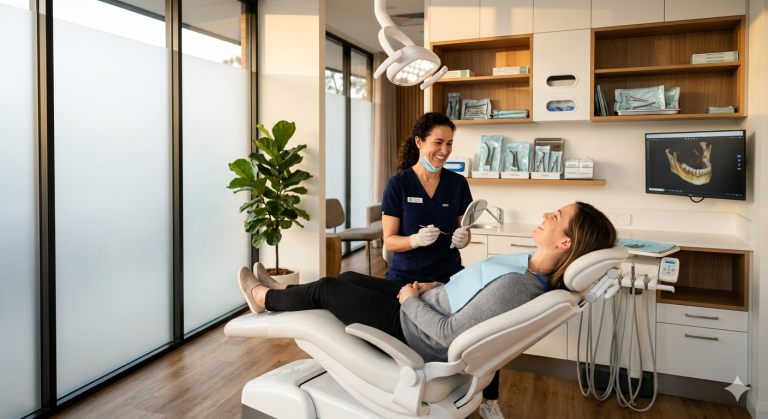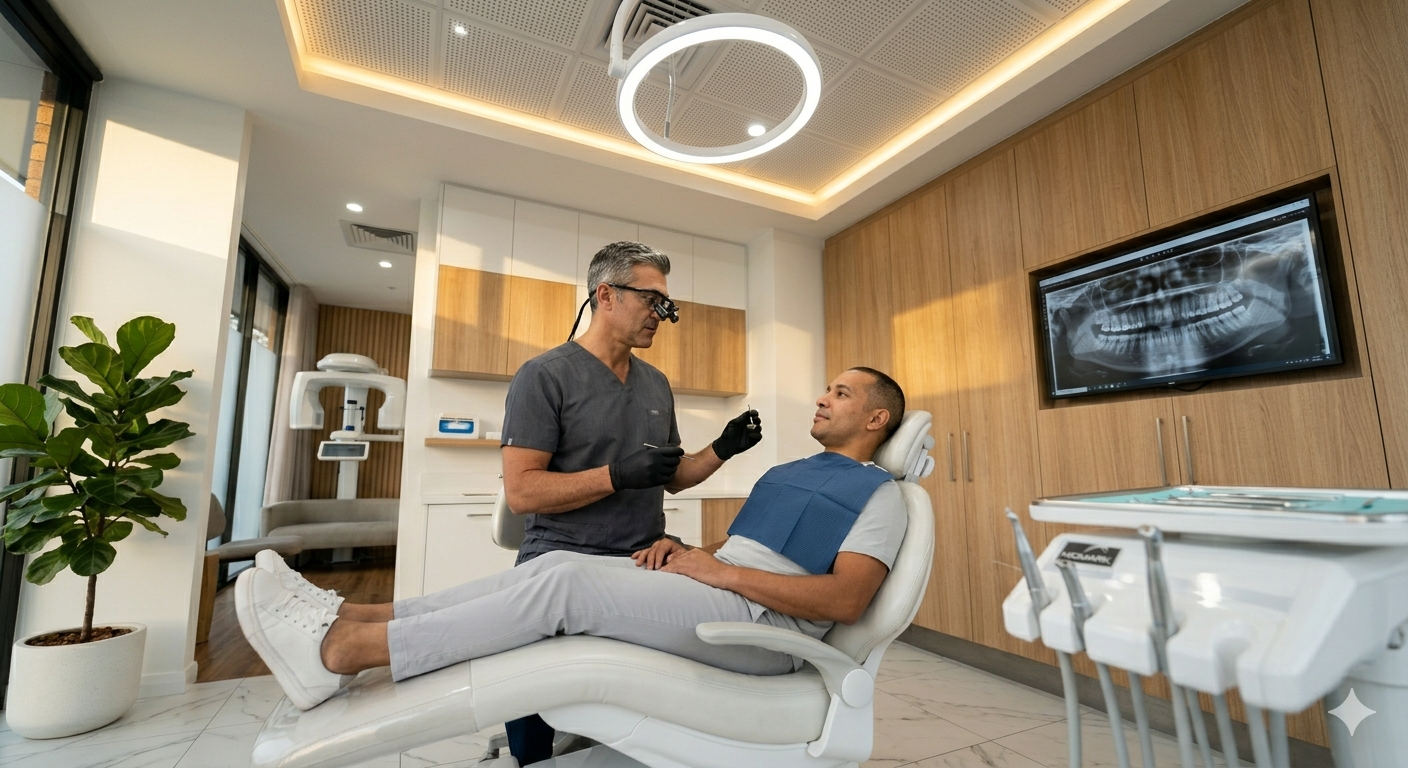
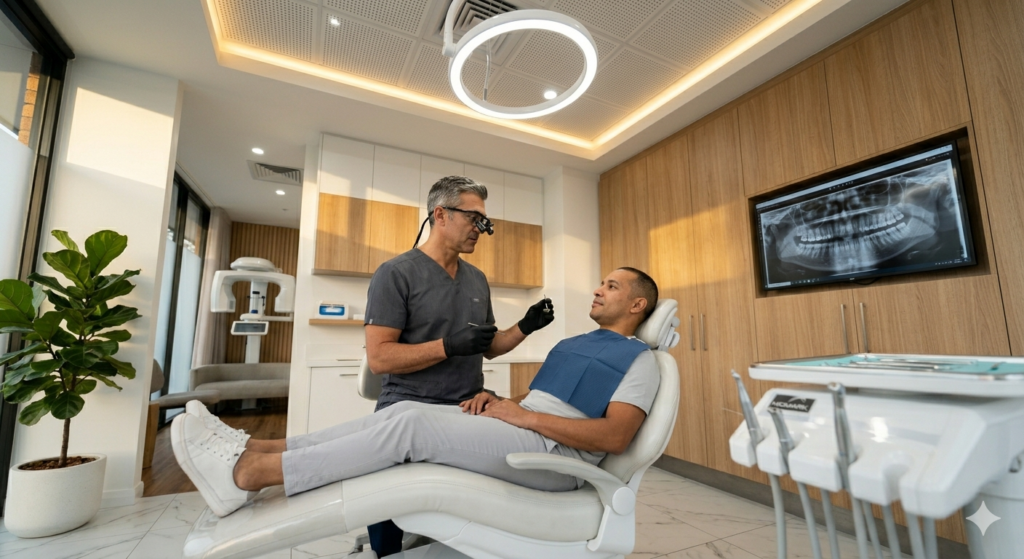
Looking for a pediatric dentist in Lancaster, CA? You want a caring specialist who understands children’s unique dental needs and makes visits calm and positive. A pediatric dentist in Lancaster focuses on gentle, age‑appropriate care that prevents problems and builds confident, healthy smiles.
They use friendly techniques, modern tools, and kid‑centered communication to keep visits comfortable and effective. Expect practical tips on home prevention, what to expect at the first visit, and how local practices help manage anxiety and support long‑term oral health.
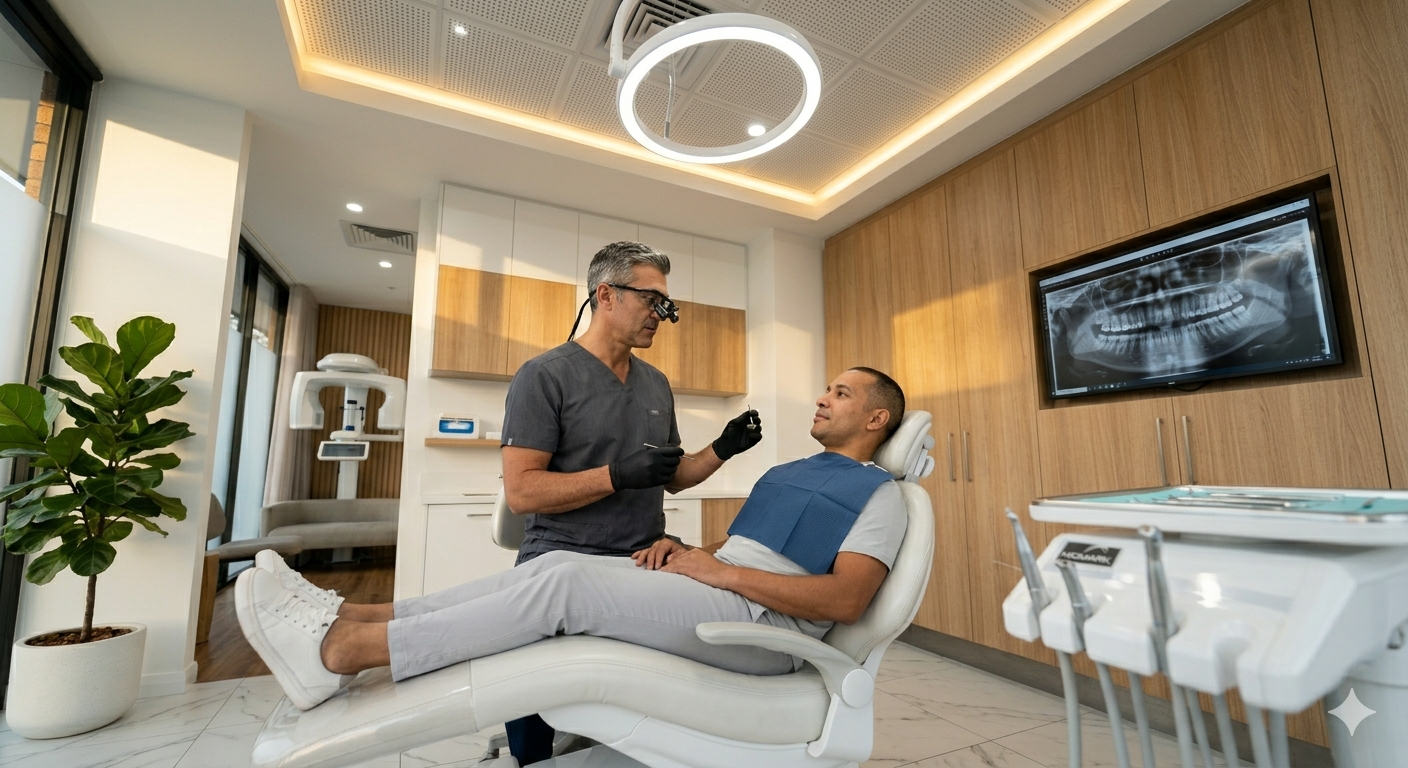
Pediatric dentistry combines medical knowledge, behavioral skills, and a focus on growth to care specifically for infants, children, and adolescents. The following subsections explain the training, temperament, and developmental expertise that distinguish pediatric dentists from general dentists.
Pediatric dentists complete dental school and then undertake 2–3 years of additional residency training focused on children’s oral health. This training covers pediatric growth and development, sedation and anesthesia for children, management of dental trauma, and treating children with special healthcare needs.
They learn behavior guidance techniques such as tell‑show‑do, distraction, and positive reinforcement to reduce fear and increase cooperation. Many pediatric dentists hold certifications in pediatric sedation, advanced airway management, or hospital dentistry to safely treat anxious children or those needing more complex care.
Clinical skills emphasize treating primary (baby) teeth, managing early childhood caries, placing crowns designed for small teeth, and interceptive orthodontics like space maintainers. Practical experience treating wide age ranges, from neonates to teens, sharpens both technical precision and rapid decision‑making.
Pediatric dentistry designs the clinic environment and appointment flow with children’s needs in mind. Waiting rooms often include child‑friendly books and toys, exam rooms use smaller instruments and bright imagery, and staff receive training in communicating at a child’s developmental level.
Appointments prioritize establishing trust through short, predictable steps and clear, age‑appropriate explanations. For example, a first exam might focus on counting teeth and letting the child touch a mirror, building familiarity before any procedure. Parents receive plain‑language guidance on feeding, fluoride use, and home habits to prevent decay.
Behavioral strategies also extend to scheduling—offering morning slots for young children who are rested—and to pain‑minimizing techniques like topical anesthetic, nitrous oxide, or gentle local anesthesia tailored to the child’s size and anxiety level.
Children’s mouths change rapidly; pediatric dentists track eruption patterns, jaw growth, and bite relationships that affect long‑term oral health. They identify problems early—such as delayed eruption, thumb‑sucking effects, or crowding—and recommend timely interventions like habit appliances or space maintainers.
Preventive care focuses on evidence‑based measures: individualized fluoride plans, professionally applied sealants on molars, dietary counseling to limit sugary snacks and liquids, and routine risk assessments for caries. Regular monitoring allows early treatment of cavities in primary teeth to prevent pain, infection, or damage to permanent teeth.
Pediatric dentists coordinate with pediatricians, orthodontists, and speech therapists when growth or medical conditions impact dental development. This multidisciplinary perspective ensures treatments support overall health, facial growth, and future orthodontic outcomes.
This section explains how a pediatric dentist helps children feel safe, builds trust through clear communication, and uses gentle techniques to reduce fear and pain.
The office design prioritizes child-sized furniture, bright but soft lighting, and non-clinical wall art to reduce anxiety. Reception areas often include age-appropriate toys, books, and a separate play corner so siblings and waiting children stay occupied without feeling exposed to dental procedures.
Staff wear friendly, plain-colored scrubs and use name badges with photos to make introductions simple and predictable. Check-in and appointment reminders come via text or email with clear arrival instructions and estimated wait times to avoid surprises for parents and children.
Dental operatories feature child-friendly dental chairs, video monitors for cartoons, and noise-minimizing headphones. Clinicians explain instruments by name and purpose using simple analogies — for example, calling a saliva ejector a “tiny vacuum” — so children understand and feel more in control.
Trust begins at the first contact: receptionists greet families by name and clinicians do a short, friendly tour of the treatment room before any procedure. Dentists use “tell-show-do”: they tell the child what will happen, show the instrument, then do the procedure only after the child is comfortable.
Parents are encouraged to sit beside younger patients during examinations to provide reassurance and model calm behavior. For anxious children, clinicians offer choices (which flavored toothpaste, which sticker) to give a sense of control and cooperation instead of confrontation.
Practices maintain consistent staffing so children see familiar faces at follow-ups. They also document behavioral strategies that worked previously — like distraction techniques or a favorite song — and use them again to reduce fear and speed cooperation.
Pediatric dentists prioritize noninvasive assessment first, using visual inspection and handheld mirrors before any instruments touch teeth. They use child-sized mirrors, disposable prophy angles for cleanings, and low-speed polishers with mild fluoride toothpaste to limit vibration and noise.
When radiographs are needed, staff use fast digital sensors and lead aprons, positioning aids, and clear short instructions to minimize movement and retakes. For children who struggle with sitting still, the team offers comfort measures such as a weighted blanket, lap-sitting, or brief distraction through a tablet.
Local anesthesia follows a staged approach: topical gel, slow infiltration with a thin needle, and frequent reassurance. For procedures requiring more support, options like nitrous oxide are available and explained in plain language to parents, including benefits, safety protocols, and what to expect during administration.
Pediatric dentists in Lancaster focus on comfort, prevention, and treating problems early to keep little mouths healthy. Most care includes regular checkups, protective treatments to stop decay, and restorations when cavities occur.
Dental cleanings remove plaque and tartar that brushing misses, usually using a gentle scaler and polishing paste. The hygienist checks each tooth, examines gums, and measures spaces to track eruption and development.
Exams include x-rays when needed to see hidden decay or developing permanent teeth. Dentists assess bite, oral habits (thumb sucking or pacifier use), and discuss growth milestones.
Appointments emphasize behavior guidance and pain-free techniques like “tell-show-do” and positive reinforcement. Parents receive clear home-care instructions—brushing twice daily with a pea-sized fluoride toothpaste and flossing when teeth touch.
Sealants are thin plastic coatings applied to the chewing surfaces of molars to block grooves where food and bacteria hide. The dentist cleans and dries the tooth, applies a mild etchant for better bond, then paints on the sealant; it sets quickly and is painless.
Topical fluoride varnish strengthens enamel and reduces decay risk; application takes less than a minute and often accompanies routine visits. Dentists tailor frequency based on cavity risk—usually every three to six months for high-risk children and twice yearly for low-risk.
Preventive care plans may include dietary guidance to cut back on sugary drinks and timed snacking. The provider documents sealant condition and fluoride history, reapplying or repairing as teeth develop.
When decay occurs, dentists remove softened tooth structure and restore form and function with tooth-colored composite or glass ionomer materials. Local anesthetic and distraction techniques keep the child comfortable during the procedure.
For extensive decay or damaged primary molars, stainless steel crowns offer long-term protection and maintain proper space for permanent teeth. Dentists choose crowns when a filling won’t provide durable support.
Follow-up instructions cover avoiding hard foods for 24 hours and maintaining excellent oral hygiene. The team schedules recalls to monitor restorations and plan any needed treatment as the child grows.
Regular routines and small daily choices make the biggest difference in keeping children’s teeth healthy. Practical steps at home—consistent brushing, proper flossing, and smart snack choices—reduce cavities and promote good oral development.
Use a pea-sized amount of fluoride toothpaste for children aged 3–6, and a smear (rice-sized) for those under 3. Supervise brushing until about age 7–8 to ensure proper technique and two full minutes of brushing twice a day.
Have the child hold the brush at a 45° angle toward the gums and use gentle circular motions across all tooth surfaces. Encourage reaching back teeth and the tongue to remove plaque and bacteria.
Floss once daily as soon as two teeth touch. Use floss picks or pre-threaded floss for easier handling with young children. For nervous or resistant kids, make flossing a short family routine: parents floss first, then help the child, turning it into a calm, predictable habit.
Keep spare toothbrushes on hand and replace them every 3 months or after illness. Consider a timer, a favorite song, or a brushing app to make two-minute brushing consistent and more enjoyable.
Limit sugary drinks and sticky snacks; swap fruit juices and sports drinks for water and milk. Sugary and acidic foods increase cavity risk, especially when sipped or grazed on throughout the day. Offer whole fruits, cheese, yogurt, and raw vegetables as tooth-friendlier snacks.
Schedule meals and snack times rather than continuous snacking to reduce acid attacks on enamel. If sweets are served, pair them with meals to increase saliva flow, which helps neutralize acids. Teach portion control and balance: a small dessert after dinner is safer for teeth than constant candy.
Fluoride and calcium intake support enamel strength. Use fluoridated tap water when available and include calcium-rich foods like milk, cheese, and leafy greens. For children at higher cavity risk, discuss topical fluoride or sealants with their pediatric dentist.
Children respond best to calm, predictable care that respects their feelings and limits. Practical techniques, clear communication, and parental involvement make visits smoother and build confidence over time.
The dental team should use child-centered language and short, concrete explanations. Saying “cleaning” instead of “drill” and demonstrating tools on a stuffed animal reduces mystery and fear. Visual aids — picture books, videos, or a quick tour of the operatory — prepare the child and set expectations.
Tell-show-do works well: tell what will happen, show the instrument outside the mouth, then do the procedure. Positive reinforcement after each step — stickers, a high-five, or specific praise like “You kept your mouth open so well” — encourages cooperative behavior. For intense anxiety, the office may offer nitrous oxide or mild oral sedatives; discuss risks and benefits with the dentist beforehand. Consistent scheduling (morning appointments for rested children) and limiting wait time also lower stress.
Parents should practice brief, upbeat role-play at home: short mock visits, counting breaths, and practicing opening wide. Avoid using threats or empty promises about pain; instead, emphasize cooperation and rewards. Pack a comfort item and choose calm clothing to help the child feel secure.
At the appointment, parents stay calm and follow the team’s guidance about who should sit with the child. If the clinic recommends separation for better cooperation, parents should be prepared and supportive. For children with special needs, provide the dental staff with detailed routines, favorite calming techniques, and any sensory triggers in advance. Schedule a pre-visit phone call to review accommodations and sedation options if needed.
This section explains when to schedule a child’s first dental appointment and what happens during that visit. It focuses on age guidelines, exam details, and practical tips to make the visit comfortable and productive.
Parents should schedule the first dental visit by the child’s first birthday or within six months after the first tooth appears, whichever comes first. Pediatric dentists recommend early visits to check for decay, evaluate bite development, and review feeding or pacifier habits that affect tooth formation.
Insurance and appointment timing matter. Many dental plans cover preventive visits for infants; parents should verify benefits and ask about coverage for fluoride varnish or risk assessments. Choose a morning appointment when the child is rested and fed to reduce fussiness.
Bring items that comfort the child: a favorite blanket, a small toy, and recent medical or feeding history. Prepare a list of questions about teething, thumb-sucking, bottle use, and topical fluoride so the dentist can give targeted advice.
The first visit is short—typically 20 to 30 minutes—and focuses on a gentle oral exam, a risk assessment for cavities, and caregiver education. The dentist performs a knee-to-knee exam for infants or a chair exam for older toddlers, looking at tooth eruption, gum health, and oral habits.
The dentist may apply fluoride varnish if indicated and demonstrate brushing technique using a soft child toothbrush. Parents receive guidance on diet, bottle-to-cup transitions, pacifier weaning, and timing for sealants or future preventive treatments.
Expect the dentist and team to use non-threatening language and distraction techniques, such as toys or a story, to ease anxiety. They will schedule follow-up visits—usually every six months—or sooner if the child shows higher risk for decay.
This practice uses current digital tools and gentle treatment methods to improve diagnosis, reduce discomfort, and speed recovery. Parents can expect lower radiation imaging, targeted treatments, and options that preserve more tooth structure.
Digital X-rays and intraoral cameras capture high-resolution images of a child’s teeth and jaw with significantly less radiation than traditional film. These images display immediately on a chairside monitor, allowing the dentist to point out cavities, developing bite issues, or hidden decay in real time.
The office often uses cone beam CT (CBCT) scans for complex cases such as impacted teeth or orthodontic planning; CBCT provides 3D views of bone and tooth position while keeping exposure as low as possible. Digital files integrate with electronic records and orthodontic software, making referrals and treatment planning faster and clearer for parents.
Benefits include earlier detection of problems, more precise treatment plans, and improved communication with families. Images can be emailed or printed so caregivers have a clear record to review at home.
The clinic emphasizes treatments that remove the least amount of healthy tooth tissue. Options include silver diamine fluoride (SDF) to arrest early cavities without drilling, resin infiltration for halting enamel lesions, and air abrasion for selective decay removal without local anesthesia in many cases.
For restorative needs, the practice uses bonded composite fillings and preformed zirconia crowns for primary molars, which preserve tooth shape and function while offering durable, biocompatible results. Laser dentistry appears for soft-tissue procedures, reducing bleeding and speeding healing compared with scalpel methods.
Behavior-friendly techniques pair with these methods: distraction, short appointments, and guided behavior management minimize stress and often eliminate the need for sedation. Parents appreciate treatments that are protective, quick, and focused on keeping children comfortable.
Finding a pediatric dentist in Lancaster, CA means weighing clinical skills, office environment, and communication. Parents should look for credentials, behavior-management approaches, and practical details like insurance, office hours, and emergency care.
A great pediatric dentist holds board certification or a pediatric dentistry residency after dental school and maintains current state licensure. Look for memberships in professional organizations (e.g., American Academy of Pediatric Dentistry) and continuing education in sedation, trauma care, and behavior guidance.
The clinician should use age-appropriate language and nonthreatening demonstrations, such as showing instruments on a toy. The office team should be trained in child CPR and behavior management techniques like tell‑show‑do and positive reinforcement.
Clinic amenities matter: a child-friendly reception area, procedure rooms sized for parents to stay close, and visible infection-control practices. Ask whether they offer same-day urgent visits, clear fluoride and sealant protocols, and coordination with medical specialists for children with special health care needs.
Prepare concise questions to evaluate fit and safety. Key examples: “What are your qualifications and pediatric-specific training?”, “How do you handle anxious or special-needs children?”, and “Can you describe your sedation and emergency protocols?”
Ask about preventive strategies: “What is your fluoride policy for my child’s age?” and “Do you place sealants routinely, and at what age?” Clarify logistics: “Which insurances do you accept?”, “Are same-day urgent appointments available?”, and “What are typical visit lengths for exams and cleanings?”
Request specifics about office practices: “Can parents stay with the child during treatment?” and “How do you communicate treatment plans and costs?” Note their tone and explanations—clear, patient-focused answers indicate a practitioner who will partner with the family.
The pediatric dental practice stays active in Lancaster community events to promote children’s oral health. They participate in school health fairs, offer free screening days, and provide educational talks tailored to parents and teachers.
They work with local schools and Head Start programs to support preventive care. Fluoride varnish programs and sealant clinics help reduce cavities in young children, especially where access to care is limited.
Local partnerships include collaborations with community clinics and pediatricians. Referrals and coordinated care ensure children with special needs or complex dental concerns receive timely treatment.
A short list of helpful local resources:
The office offers bilingual staff and culturally sensitive materials to serve Lancaster’s diverse families. They provide clear guidance on insurance, Medi-Cal enrollment, and financing options to remove barriers to care.
They encourage families to contact the office with questions or to schedule a preventive visit. This makes it easier for parents to start dental care early and keep children comfortable and confident at the dentist.
Parents should schedule the first dental visit by the child’s first birthday or within six months after the first tooth appears. Regular checkups every six months help the pediatric dentist monitor growth, catch problems early, and provide age‑appropriate cleaning and guidance.
At home, caregivers should brush twice daily with a pea‑sized amount of fluoride toothpaste for children aged 3 and up, and use a smear for younger toddlers. Supervise brushing until the child can tie their shoes and spit reliably — usually around 6–8 years old.
Healthy snacks protect teeth as much as brushing does. Encourage water, fresh fruit, and dairy, and limit sticky or sugary treats between meals. If sippy cups or bottles are used, avoid filling them with juice or milk at bedtime to reduce decay risk.
Ask the pediatric dentist about preventive options like fluoride varnish and dental sealants. These treatments are quick, painless, and effective at strengthening enamel and preventing cavities in molars.
Prepare for dental visits with simple, positive language and role‑play. Bring a favorite toy or blanket for comfort, and let the child see photos or videos of friendly staff if available. A calm parent helps the child feel safe.
If concerns arise — trauma, prolonged pain, or unusual behavior — contact the dental office promptly. They can advise next steps, offer same‑day care when needed, and tailor a plan that keeps the child comfortable.
Call or message the Lancaster pediatric dental office to set up appointments, ask questions about preventive care, or discuss any worries about development or oral habits.
This section answers specific concerns parents commonly have about pediatric dental care in Lancaster, CA, including choosing a provider, preparing a child for visits, timing for checkups, preventive treatments like sealants, cavity care options, and when to consider orthodontics.
Parents should verify the dentist’s pediatric training, state licensure, and membership in recognized organizations such as the American Academy of Pediatric Dentistry. Look for offices that display child-friendly decor, have age-appropriate toys or books, and use behavior management techniques like tell-show-do.
Confirm the practice offers modern equipment sized for children and sedation options if needed. Read recent patient reviews and ask about emergency availability and how they handle anxious children.
Explain the visit in simple, positive terms and role-play at home with a toothbrush and mirror. Avoid using words like “hurt” or “needle”; instead say the dentist will count teeth and help keep them healthy.
Bring a favorite toy or comfort item and schedule the appointment at a time of day when the child is usually well-rested. Parents should stay calm and supportive; children pick up on adult anxiety.
The American Academy of Pediatric Dentistry recommends the first dental visit by the first birthday or when the first tooth appears. Routine checkups are typically every six months, though frequency may increase for children at higher risk for cavities.
Regular visits allow for early detection of enamel problems, growth concerns, and timely preventive care like fluoride treatments.
Dental sealants are thin, protective coatings applied to the chewing surfaces of molars to block food and bacteria. Clinical studies show sealants can reduce decay on treated teeth by up to 80% in the first two years and remain effective for several years with proper care.
Sealants are recommended for newly erupted permanent molars and for primary molars in high-risk children. Application is quick, painless, and typically completed in one visit.
Treatment depends on the cavity’s size: small lesions may receive fillings with tooth-colored composite, while larger decay might require pulpotomy (baby tooth root treatment) or crowns. For permanent teeth, options include fillings or root canal therapy if the nerve is involved.
Pediatric dentists use local anesthesia, distraction techniques, and, when appropriate, nitrous oxide or mild oral sedation to minimize anxiety and discomfort. They explain each step in child-friendly language and obtain parental consent before sedation.
Signs that warrant an orthodontic evaluation include crowded or missing teeth, an overbite or underbite, difficulty chewing, or early/late loss of baby teeth. The American Association of Orthodontists recommends an evaluation by age 7 to identify developing problems early.
Early assessment lets specialists plan interceptive treatments if needed, while comprehensive orthodontic treatment often begins in early adolescence when most permanent teeth have erupted. Parents should ask the pediatric dentist for a timely referral to an orthodontist when concerns arise.