
Invisalign treatment in Lancaster, CA offers a discreet and comfortable way to straighten teeth without the need for traditional metal braces. Patients appreciate its clear aligners that fit seamlessly into daily life, making dental care easier and less noticeable.
The key benefit of Invisalign is that it allows for gradual, customized teeth movement with minimal discomfort, making it a popular choice for adults and teens alike. The treatment is managed by local dental experts who guide patients through each step, ensuring effective results.
Many people choose Invisalign to improve their smile while maintaining confidence throughout the process. If questions arise about whether Invisalign suits specific needs, consulting with a Lancaster dental professional is a good next step.
Starting Invisalign involves clear steps that guide patients through a personalized and comfortable teeth-straightening process. Each phase focuses on careful planning, precise adjustments, and regular monitoring to ensure effective results.
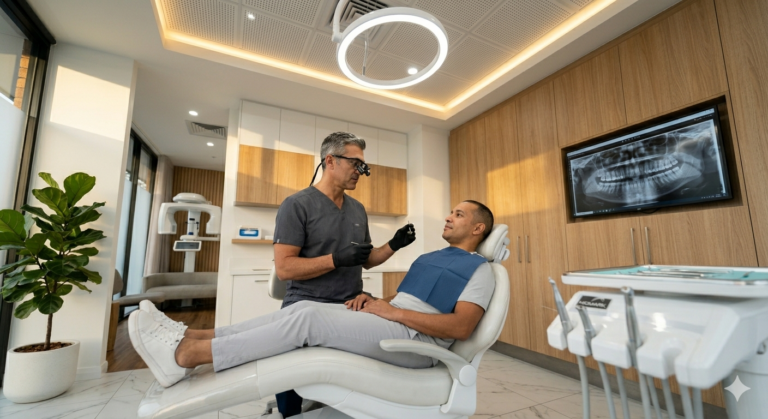
The Invisalign journey begins with a thorough consultation. During this visit, the dentist examines the patient’s teeth, takes digital scans or impressions, and discusses their alignment goals. This step helps determine if Invisalign is the best option based on the patient’s dental health and specific needs.
Patients can expect to review before-and-after images of similar cases and ask questions about duration, cost, and daily care. The dentist explains how the aligners work and what kind of commitment is involved, like wearing the trays for 20-22 hours a day. It’s a low-pressure meeting aimed at building trust and setting clear expectations.
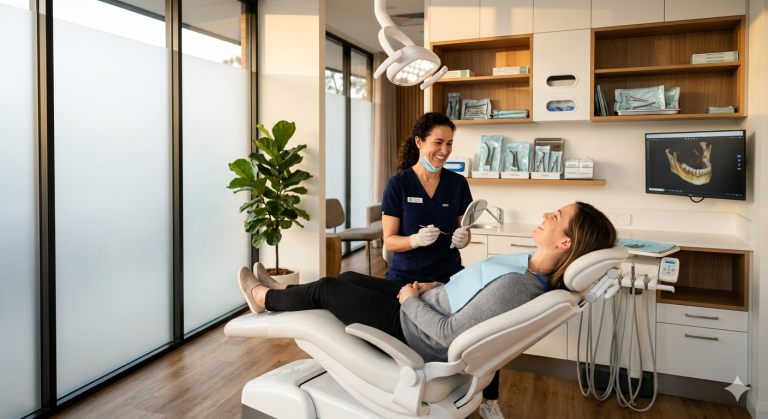
Once Invisalign is chosen, a custom treatment plan is created using 3D imaging software. This technology maps out each stage of teeth movement, showing the patient a virtual preview of their smile progression. The dentist adjusts the plan to target precise corrections based on the patient’s bite and tooth structure.
Custom aligners are then manufactured to fit snugly and comfortably. Patients receive a series of trays to swap out usually every 1-2 weeks. Each set applies gentle pressure to gradually shift teeth into place. This personalized plan keeps the process predictable and tailored, minimizing discomfort and visits.
Regular checkups are scheduled about every 6-8 weeks to track progress and ensure aligners fit properly. The dentist evaluates tooth movement and may take new scans to refine the treatment. If needed, they can make adjustments or order additional trays.
Many patients report mild soreness in the first days of each new aligner, but this usually fades quickly. The dentist encourages communication about any discomfort or concerns. These appointments are also opportunities to discuss habits, aligner care, and expected timelines, making the process transparent and patient-friendly.
Invisalign offers a modern approach to straightening teeth that fits naturally into daily life. Its design prioritizes comfort while giving patients the freedom to maintain their usual habits without much interruption.
Invisalign aligners are made from smooth, BPA-free plastic that fits snugly over teeth, reducing irritation common with traditional braces. This means fewer trips to the orthodontist for adjustments, which saves time and limits discomfort.
The aligners are removable, allowing patients to eat whatever they like without worrying about food getting stuck or damaging wires. This flexibility supports normal eating habits and makes cleaning teeth straightforward throughout treatment.
One of Invisalign’s biggest draws is its near-invisibility. The clear plastic aligners blend with your teeth so well that most people won’t notice you’re wearing them. This makes Invisalign particularly appealing to adults and teens who want to maintain a professional or natural look during treatment.
Unlike metal braces, Invisalign doesn’t have brackets or wires, which reduces self-consciousness in social or work settings. It’s an excellent choice for those seeking an effective yet subtle way to improve their smile.
Maintaining oral hygiene with Invisalign is simpler than with traditional braces. Since the aligners are removable, patients can brush and floss normally without working around brackets and wires. This lowers the risk of plaque buildup and related gum issues.
Invisalign users just take out their aligners before meals and oral care routines. This makes it easier to keep teeth clean and healthy throughout the entire treatment process, supporting better dental health overall.
Invisalign and traditional braces both straighten teeth, but they differ in appearance, comfort, and what dental issues they can fix best. Understanding these differences helps patients in Lancaster, CA, choose the option that suits their lifestyle and specific dental needs.
Invisalign aligners are clear and nearly invisible, making them a popular choice for those who want discreet treatment. They fit snugly over teeth and can be removed for eating, drinking, and cleaning, which minimizes disruptions to daily routines.
Traditional braces use metal brackets and wires that are more noticeable. They can affect speech and eating, sometimes requiring dietary adjustments and more careful cleaning. However, advances in braces have introduced ceramic and tooth-colored options for a less visible look.
Patients often find Invisalign more comfortable because it doesn’t irritate gums or cheeks like metal brackets can. Still, both treatments require an adjustment period as teeth move and the mouth adapts.
Invisalign works well for mild to moderate teeth alignment issues like gaps, crowding, and slight bite problems. It’s less effective for complex conditions such as significant bite misalignment or severe rotations.
Traditional braces are typically recommended for more complicated dental corrections. They provide precise control and can move teeth in ways that clear aligners may not achieve easily.
A dental professional in Lancaster, CA, can assess the severity of the case, the patient’s lifestyle, and treatment goals to suggest the best option. Both methods promote lasting results but vary in approach and timeline.
Invisalign aligners combine advanced materials and precise planning to shift teeth gently over time. This approach offers a clear, comfortable alternative to traditional braces. The process relies on specially designed trays that use consistent, controlled force to realign teeth step by step.
Invisalign aligners are made from SmartTrack, a patented thermoplastic material. This material is thin, flexible, and snugly fits over the teeth, making it more comfortable than older aligner types. SmartTrack ensures the trays apply just the right amount of pressure needed to move teeth without causing unnecessary discomfort.
The aligners are clear and smooth, reducing irritation to gums and cheeks. They also resist staining and discoloration when cared for properly. Patients can remove the aligners for eating and cleaning, which supports better oral hygiene during treatment.
Treatment begins with a digital scan of the patient’s teeth to create a precise 3D model. This model helps dentists map out each tooth’s movement over the course of treatment. The patient receives a series of aligners, each designed to move teeth slightly more than the last.
Typically, an aligner is worn for about 1-2 weeks before switching to the next in the series. This gradual progression allows teeth to shift gently into place without sudden changes or excessive pressure. Regular dental check-ins monitor progress and adjust treatment if needed to ensure effective results.
Proper care of Invisalign aligners goes hand-in-hand with maintaining good oral health. Keeping aligners clean and managing eating habits ensures effective treatment and prevents common issues like bad odors or cavities.
Aligners should be cleaned daily to avoid bacteria buildup. Rinsing them under lukewarm water each time they are removed helps prevent dryness and cracking. Avoid hot water, as it can warp the plastic.
A gentle toothbrush and clear, unscented liquid soap work well for cleaning. Harsh toothpaste can scratch the aligners, so it’s best to skip it. Soaking aligners in Invisalign cleaning crystals or a denture cleaner once a week keeps them fresh.
It’s important to store aligners in their case when not in use. Leaving them exposed increases the risk of damage or loss. Regular inspection for cracks or stains helps catch problems early.
Aligners must be removed before eating or drinking anything other than plain water. Food particles trapped under the aligners can cause staining and tooth decay.
Stick to a water-only rule while wearing them to protect both aligners and teeth. Sugary or acidic beverages can erode enamel if consumed with aligners in place.
After meals, brushing teeth before putting the aligners back in reduces bacteria buildup. Having a travel dental kit with a toothbrush, toothpaste, and floss makes this easier on the go. Avoid chewing gum or sticky snacks that adhere to teeth and aligners.
Invisalign treatment times vary depending on age and individual cases. Several factors play a role in how quickly teeth align, making it important to understand both typical timelines and influences on progress.
For adults, the average Invisalign treatment lasts about 12 to 18 months. Adults often have denser bone structure, which may slow movement slightly, but many see noticeable changes within the first few months. Regular check-ups every 6-8 weeks help track progress and adjust aligners as needed.
Teens usually experience a shorter timeline, roughly 9 to 15 months, because their bones are still developing. Plus, teenage patients benefit from compliance indicators on some Invisalign trays, helping dentists ensure aligners are worn properly. Both groups should expect to wear aligners about 20-22 hours daily to stay on schedule.
Several factors influence how long Invisalign treatment takes. The complexity of the dental issues—such as crowding, gaps, or bite problems—directly impacts the duration. More severe cases require longer treatment and more aligners.
Consistency also matters. Patients who wear their aligners as recommended will see faster results. Skipping hours or not switching to new trays on time slows progress.
Other elements include the patient’s age, bone density, and whether additional dental work is needed. Lifestyle habits like smoking can also affect treatment response. Clear communication with the dentist ensures that adjustments can be made promptly for the best outcome.
Understanding the financial aspects of Invisalign treatment helps patients plan wisely. Costs vary based on individual needs, while some insurance plans offer partial coverage. Payment flexibility can also ease the investment.
In Lancaster, CA, Invisalign treatment typically costs between $3,000 and $5,500. The exact price depends on factors like treatment length and complexity. Initial consultations and 3D scans may be included or added separately.
Insurance coverage varies widely. Many plans cover Invisalign similarly to traditional braces but often only partially. Patients should check with their provider about orthodontic benefits and annual maximums.
Additional costs can include retainers after treatment, averaging $100 to $300. Discuss all fees upfront with your orthodontist to avoid surprises.
Many Lancaster dental offices offer payment plans to spread out costs over months. Common options include zero-interest plans or low monthly payments, making treatment more affordable.
Patients may use third-party financing companies like CareCredit or LendingClub. These platforms provide flexible credit options with varying term lengths.
It’s important to review all payment terms carefully. Transparent plans help patients focus on their smile without financial stress. Talking to the office about available plans is a good first step.
Choosing the right Invisalign provider means focusing on qualifications that ensure safe, effective care and appreciating the value of local experience. Both elements play a crucial role in achieving a smooth treatment process and a confident smile.
When selecting an Invisalign provider, verifying their credentials is essential. Look for a licensed dentist or orthodontist who has completed specialized Invisalign training. This certification ensures they understand how to design and adjust aligner treatment plans properly.
Experience matters, too. Providers who have treated many patients using Invisalign tend to anticipate challenges better and customize solutions more effectively. Ask about their case success rate and if they use advanced technology like 3D imaging to plan treatments. These factors contribute to more precise and comfortable aligner fitting. A knowledgeable, certified provider helps patients feel confident and supported throughout the process.
A provider familiar with Lancaster’s community and healthcare environment understands local patient needs and concerns. They are more likely to offer tailored treatment schedules that fit into busy lifestyles and make follow-up appointments convenient.
Local Invisalign specialists often have established relationships with nearby dental labs and support teams, speeding up response times for adjustments or emergencies. They also stay updated on community health trends which can influence oral care advice during treatment. Choosing a local expert means easier communication, personalized care, and a provider who genuinely cares about the patient’s journey to a healthier, straighter smile.
Proper care after Invisalign treatment is essential for keeping the new smile in place. Patients need to commit to specific routines that protect their teeth alignment and maintain oral health.
Once Invisalign trays are finished, wearing a retainer is critical to prevent teeth from shifting back. Dentists usually recommend wearing a custom-made retainer full-time for the first few months, then at night indefinitely.
Retainers can be clear or wire-based and must be cleaned regularly to avoid bacteria buildup. Skipping or neglecting retainer use is the most common cause of relapse. Patients should schedule regular check-ups to ensure their retainer fits well as minor adjustments might be needed over time.
Maintaining good oral hygiene plays a key role in prolonging Invisalign results. Brushing twice daily and flossing help prevent gum disease and cavities that can affect teeth position.
Healthy lifestyle habits also support your smile. Limiting sugary foods and avoiding hard bites keeps your teeth strong. Drinking plenty of water helps wash away debris around teeth and retainer.
Regular dental visits for cleanings and exams allow quick response to any issues that could threaten your new alignment. Being consistent with care supports a lasting smile for years to come.
Many people wonder how Invisalign works and what to expect during treatment. Invisalign uses a series of clear, custom-made aligners to gradually shift teeth into place. These aligners are nearly invisible, which is great for those who want a discreet option.
A common question is, “Does Invisalign hurt?” Some mild discomfort or pressure is normal when switching to a new set of aligners. This feeling usually fades within a few days as teeth adjust.
Another concern is how long treatment takes. Most patients wear Invisalign for 12 to 18 months, but it varies based on the complexity of their case. Wearing aligners for 20-22 hours daily is essential for effective results.
People often ask if they can eat and drink normally. Aligners must be removed during meals and before drinking anything except water. This helps prevent staining and damage.
Cleaning Invisalgin trays is easy; brushing them gently and rinsing with lukewarm water keeps them clear and fresh. Good oral hygiene is important throughout treatment to avoid cavities or gum issues.
| Question | Quick Answer |
|---|---|
| Do aligners hurt? | Some mild pressure at first |
| How long does it take? | Usually 12-18 months |
| Can I eat with aligners on? | No, remove before eating or drinking |
| Are they noticeable? | They are nearly invisible |
If questions come up or you want to see if Invisalign fits your needs, scheduling a consultation with a Lancaster CA dental expert is a great next step.
Starting Invisalign treatment in Lancaster, CA, means choosing a path that fits comfortably into daily life. It offers a discreet and convenient way to straighten teeth without the look or feel of traditional braces.
Patients usually begin with a consultation to discuss their goals and dental health. During this visit, the dentist will use digital scans or impressions to create a personalized treatment plan.
What to expect next:
The flexibility of Invisalign lets many patients continue their favorite activities and maintain good oral hygiene easily. Removing the trays for eating or cleaning reduces common discomfort linked to braces.
People considering Invisalign often ask about the timeframe. For many, treatment lasts between 12 to 18 months, but this varies based on the complexity of the case. Patience and consistency with wearing aligners help achieve the best results.
For anyone in Lancaster thinking about Invisalign, scheduling a consultation is a positive step. It’s an opportunity to ask questions, explore options, and learn how this modern treatment can gently guide a smile toward better alignment.
Invisalign treatment comes with several details that can vary based on individual needs, such as cost, treatment length, and comfort. Understanding these specifics helps patients know what to expect and make informed choices.
In California, Invisalign typically costs between $3,500 and $8,000. The exact price depends on factors like the complexity of the case, the number of aligners needed, and the provider’s experience. Additional expenses may include office visits, retainers, and any necessary dental work before starting treatment.
Clear aligners work well for mild to moderate teeth misalignment, gaps, and crowding. For more complex orthodontic issues or severe bite problems, traditional braces might be a better option. An orthodontist can assess the situation to recommend the most effective treatment.
Most Invisalign treatments last between 12 to 18 months. The process begins with a consultation and digital scans, followed by receiving custom aligners. Patients wear each set of aligners for about one to two weeks before switching to the next, with regular check-ins along the way.
Some patients may experience a slight lisp or minor discomfort during the first few days as they adjust. Aligners should be removed during meals, so they don’t affect eating habits. Comfort tends to improve quickly, and aligners are designed to fit snugly without causing pain.
Check-ins typically occur every six to eight weeks to track progress and make any necessary adjustments. Many providers now offer remote monitoring options through apps, allowing some appointments to be done virtually, which adds convenience and flexibility.
Invisalign may improve mild jaw discomfort by aligning teeth evenly, which can reduce strain. However, persistent TMJ pain or joint issues should be evaluated by a specialist. If symptoms continue or worsen, a referral to a TMJ expert is recommended.