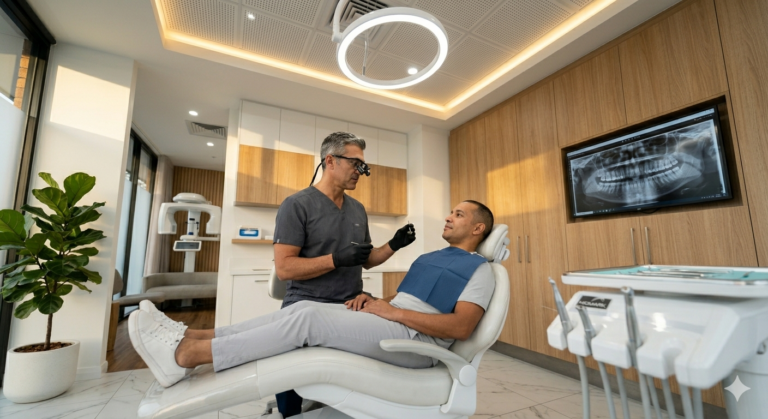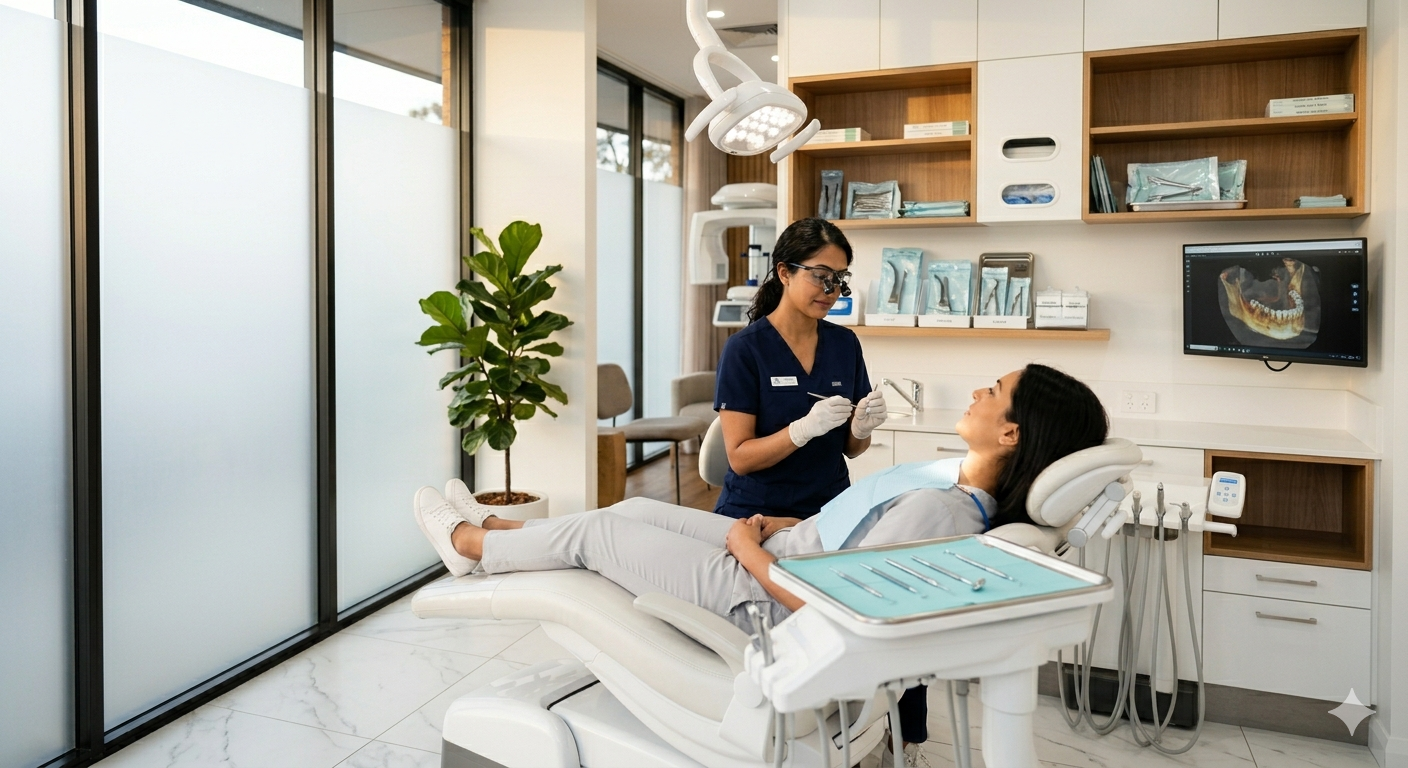
When a dental emergency strikes in Lancaster, CA, knowing where to turn can make all the difference. Whether it’s a sudden toothache, a broken crown, or an injury causing severe pain, prompt care is crucial. Emergency dentists in Lancaster are ready to provide quick, effective treatment to relieve pain and prevent further damage.
Many people assume they must wait for a regular appointment, but emergency dental services offer immediate attention when it matters most. These skilled professionals use modern techniques to handle urgent issues comfortably and efficiently, so patients don’t have to suffer longer than necessary.
Finding a trusted emergency dentist nearby ensures that help is available whenever unexpected dental problems arise. Taking the step to contact a specialist can ease anxiety and lead to faster recovery, making a dental emergency more manageable for everyone involved.
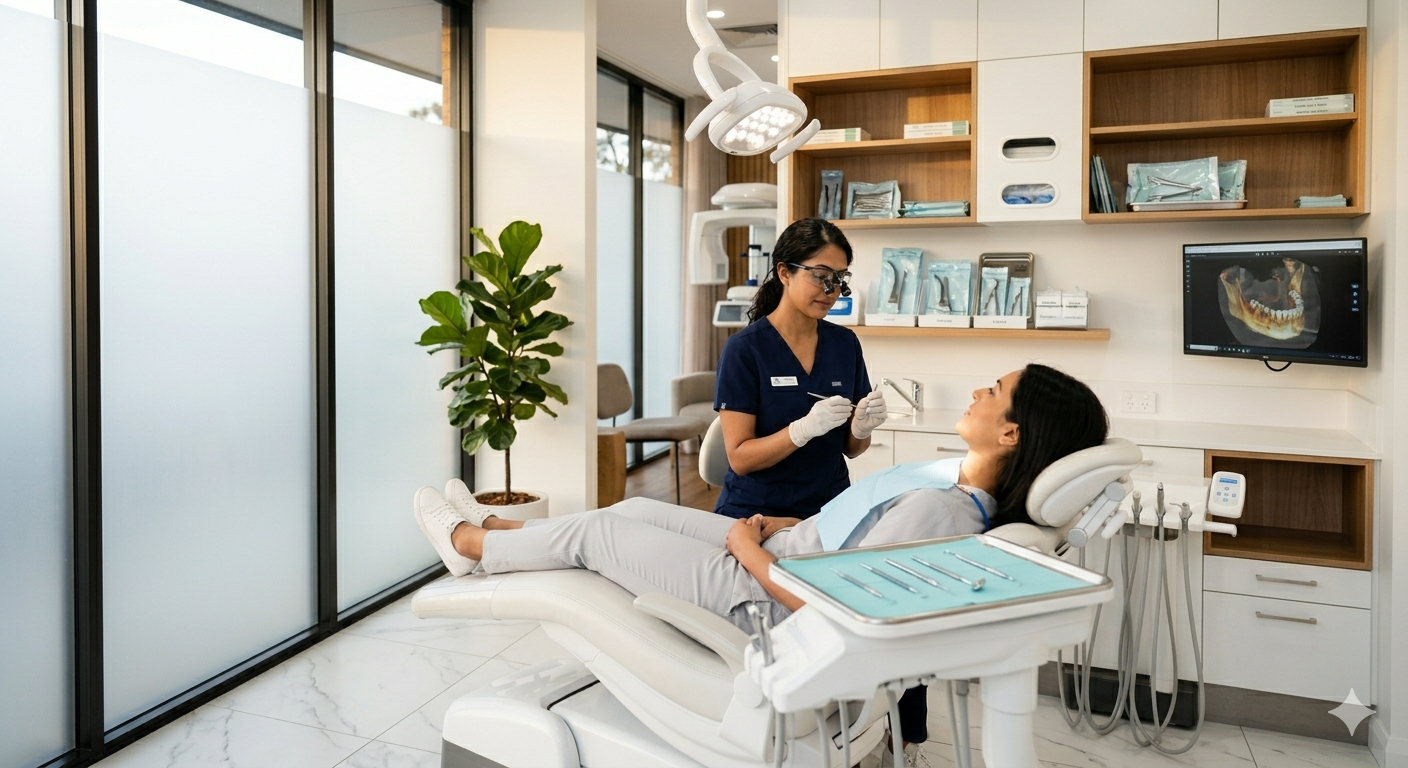
Dental emergencies involve sudden issues that need quick attention to prevent serious damage or pain. Recognizing these problems early can save teeth and reduce discomfort. Knowing the signs and types helps people decide when to seek immediate care.
There are several clear signs indicating a dental emergency. Intense pain that won’t subside with over-the-counter painkillers is a common red flag. Swelling around the mouth, face, or jaw often signals an infection needing prompt treatment.
Other signs include bleeding that doesn’t stop after 15 minutes, a knocked-out tooth, or a tooth broken into large pieces. If a lost filling or crown causes sharp pain or sensitivity, it also warrants timely dental care. Difficulty breathing or swallowing related to dental issues is an urgent sign to get help quickly.
Dental emergencies cover injuries, infections, and severe tooth damage. A knocked-out tooth is urgent because timely reimplantation can save it. Cracked or fractured teeth can cause pain and infection risks if left untreated.
Abscesses, or pockets of infection near the tooth root, create swelling and intense pain requiring antibiotics or drainage. Severe toothaches without visible cause often need X-rays to pinpoint decay or nerve damage. Lost restorations and trauma from accidents also fall under emergencies when pain or bleeding is involved.
Emergency dentists in Lancaster, CA focus on quickly relieving pain, performing urgent dental treatments, and restoring teeth to prevent further damage. They offer specialized care tailored to unexpected dental injuries or sudden discomfort.
Emergency dentists prioritize easing pain as soon as you arrive. They use effective local anesthetics to numb the affected area quickly, so discomfort fades during treatment. Over-the-counter painkillers might be recommended for use at home, accompanied by instructions to avoid worsening the issue.
Ice packs or cold compresses also help reduce swelling and numb the area temporarily. Dentists may apply medicated gels to soothe sensitivity. Their goal is to provide fast, effective relief, letting patients feel comfortable enough to focus on the next steps in care.
When you visit an emergency dentist, they handle a range of urgent procedures designed to stop bleeding, prevent infection, and stabilize damage. Common treatments include tooth extractions, drainage of abscesses, and emergency root canals.
For fractured or knocked-out teeth, dentists aim to save the tooth when possible or prepare the mouth for future restorations. Sutures might be placed to close wounds and speed healing. The treatment plan depends on the injury’s severity and the patient’s overall oral health.
After stabilizing pain and infection, emergency dentists focus on restoring damaged teeth to normal function. They may place dental crowns to protect cracked teeth or use bonding materials for chips and minor fractures.
In cases where teeth are lost, temporary prosthetics might be provided until permanent implants or bridges can be scheduled. These restorations maintain chewing ability and appearance while preventing other teeth from shifting. The dentist works with the patient to plan comprehensive repair that fits their lifestyle and needs.
Choosing a nearby emergency dentist in Lancaster means quicker care when pain strikes and access to professionals who understand what people here need most. Local dentists often provide comfort through familiarity and can offer personalized treatment that’s aligned with community health patterns.
When a dental emergency happens, speed matters. A local Lancaster emergency dentist can typically schedule appointments or offer walk-in care much faster than someone farther away. This fast response helps reduce pain and limits potential complications, like infections or worsening damage.
Quick access also means fewer hours spent in discomfort or anxiety. Many local practices understand the urgency and are prepared to handle sudden emergencies efficiently during or outside regular hours. Being close by ensures patients can reach care without long travel times, which can be crucial for serious issues like knocked-out teeth or severe toothaches.
Dentists in Lancaster are familiar with common oral health issues in the area. They tailor their emergency treatments based on the local population’s diet, lifestyle, and dental history trends. For example, they know how frequent high sugar intake or certain sports activities influence injury rates here and prepare their care accordingly.
Additionally, local providers often speak the languages spoken in Lancaster and understand cultural preferences affecting dental choices. This awareness helps them explain treatments clearly and provide patient-centered care that respects individual backgrounds and concerns.
Visiting a local emergency dentist means seeing someone connected to the community. Patients often feel safer and more comfortable with a provider they recognize or who comes recommended from neighbors and friends. This trust can reduce feelings of fear or hesitation during urgent care.
Local dentists also focus on building long-term relationships. They follow up after emergencies with personalized plans for recovery and prevention. This ongoing support helps patients avoid future emergencies and maintain healthier smiles long term.
If you need urgent dental care, consulting a nearby Lancaster emergency dentist offers practical advantages and a caring approach that puts your well-being first.
Knowing how to respond quickly and effectively can make a big difference in managing a dental emergency. Immediate care often involves simple actions at home, recognizing when to seek urgent professional attention, and being ready for the emergency visit.
If a dental emergency occurs, the first priority is to control pain and bleeding. Rinse the mouth gently with warm water to clean the area and remove any debris. Apply a cold compress to the outside of the cheek to reduce swelling and numb pain.
For bleeding, use a clean gauze pad and apply firm pressure for 10-15 minutes. Avoid using aspirin directly on the gums or tooth, as it can worsen bleeding. If a tooth is knocked out, try to place it back in the socket immediately or keep it in milk or saline while heading to the dentist.
Certain situations require calling an emergency dentist without delay. Severe tooth pain that doesn’t improve with over-the-counter painkillers, swelling that affects the face or neck, or uncontrolled bleeding are signs to seek urgent care.
Other red flags include a broken or knocked-out tooth, a bitten tongue or lip causing heavy bleeding, or signs of infection such as fever and pus. If there is trauma to the jaw causing difficulty in moving or pain, professional assessment is necessary as well.
Before heading to the emergency dentist, gather any relevant dental records if available. Bring along a list of current medications and allergies to ensure safe treatment. It helps to know the details of the injury and any steps already taken.
Wear comfortable clothing and arrive as soon as possible to prevent complications. The dental team will prioritize pain relief and stabilization, so being prepared can speed up the process and reduce anxiety during the visit.
Emergency dental care in Lancaster, CA benefits from technology designed to deliver fast, accurate diagnostics and gentle treatments. These tools help dentists pinpoint problems quickly and provide relief without unnecessary discomfort.
Lancaster emergency dentists use digital X-rays and 3D imaging to get a clear view of tooth and bone structures. This means less exposure to radiation compared to traditional X-rays, and faster results.
Intraoral cameras also play a role. They allow dentists to show patients detailed images inside their mouth, making it easier to explain the issue and the proposed treatment.
These technologies reduce guesswork and speed up emergency care, helping dentists effectively treat tooth fractures, infections, or abscesses. Patients experience fewer visits and better outcomes thanks to precise diagnostics.
Modern emergency dentists prioritize painless procedures. They use advanced local anesthetics that work quickly to numb the problem area without affecting the whole mouth. This allows patients to stay relaxed during treatment.
Laser dentistry is often used too. It reduces bleeding and swelling, lowers infection risk, and speeds healing in cases like gum injuries or soft tissue repairs.
Many practices offer sedation options for anxious patients, keeping them calm while addressing urgent dental needs safely and comfortably. This technology-driven approach ensures that emergency care isn’t just fast but also gentle.
Taking steps to care for teeth daily and using appropriate protective gear can greatly reduce the chances of sudden dental problems. Simple routines and small investments in dental safety often save time, money, and pain later on.
Brushing twice a day with fluoride toothpaste strengthens enamel and removes harmful plaque that leads to decay. Flossing daily helps clear food particles and bacteria from between teeth where brushes can’t reach.
Avoid chewing on hard objects like ice, pens, or popcorn kernels, as these can crack or chip teeth unexpectedly. Eating a balanced diet rich in vitamins supports oral health, especially calcium and vitamin D.
Regular dental checkups allow early detection of issues that could turn into emergencies. Staying hydrated also keeps the mouth moist, which helps prevent irritation and infection.
Mouthguards are essential for anyone involved in sports or activities with a risk of facial injury. They cushion blows and distribute impact force, reducing the chance of broken or knocked-out teeth.
Custom-fitted night guards protect against grinding or clenching, which can wear down teeth and cause jaw pain. Over-the-counter guards exist, but professional fitting ensures better comfort and protection.
For children, orthodontic devices or retainers also need proper care to avoid damage. Dentists can recommend the best type of protective gear for each person’s needs and lifestyle.
Emergency dental care in Lancaster, CA, can vary in price depending on the procedure and urgency. Knowing payment options and how insurance applies helps patients manage unexpected dental bills.
Emergency dental visits often require prompt payment, but many clinics offer flexible options. Patients can pay by cash, credit card, or through financing plans like CareCredit, which breaks costs into manageable monthly payments.
Some offices provide sliding scale fees based on income. This can reduce out-of-pocket costs for urgent treatments like tooth extractions or root canals. It’s important to ask about any upfront fees or deposits before treatment begins.
For uninsured patients, attending clinics with transparent pricing or membership plans may be beneficial. These plans sometimes lower costs on future care, combining convenience and savings.
Most dental insurance plans cover emergency visits at least partially, but coverage details vary widely. Typically, insurance covers diagnostics and some treatments, but may limit coverage for extractions, crowns, or X-rays done in emergencies.
Patients should verify if their plan has a deductible or co-pay for emergency services. Some insurance policies require pre-authorization, which is difficult in emergencies but important to know ahead.
In-network dentists usually allow patients to maximize benefits. Visiting out-of-network providers may increase costs since insurance might cover less. Calling the insurer before the visit can clarify benefits and reduce surprises.
The Lancaster emergency dental team is made up of caring professionals who understand how stressful a dental emergency can be. They are ready to provide quick, effective care to relieve pain and protect your smile.
Each team member is trained in the latest techniques, ensuring you get treatment that is both modern and comfortable. They work closely with you to explain what’s happening and what to expect, helping you feel more at ease during your visit.
The team includes experienced dentists, dental hygienists, and support staff who all share one goal: your well-being. They handle issues like broken teeth, severe pain, and swelling with skill and compassion.
Here’s what you can expect from the team:
If you ever face a dental emergency in Lancaster, this team is ready to help with kindness and expertise. Don’t hesitate to reach out and ask questions—they are here to support you every step of the way.
When a dental emergency happens in Lancaster, CA, quick access to care is essential. Patients should call the emergency dentist’s office as soon as possible to explain their situation and secure the earliest available appointment.
Most emergency dental clinics offer same-day visits or after-hours care to accommodate urgent needs. It’s helpful to have basic information ready, such as the nature of the dental issue, any pain level, and relevant medical history.
Below is typical contact info for an emergency dental provider in Lancaster:
| Detail | Information |
|---|---|
| Phone Number | (661) 555-1234 |
| Address | 123 Main St, Lancaster, CA |
| Hours | Mon-Fri: 8 AM – 8 PM |
| Sat-Sun: 9 AM – 5 PM |
Patients are encouraged to keep this contact handy. If uncertain whether the situation qualifies as an emergency, calling the office can provide guidance.
Many clinics also allow scheduling or inquiries through their website or email for convenience. This can be a great option if the emergency is less severe but still requires prompt attention.
Taking the first step to reach out helps ensure timely care and prevents complications. The right dental professional will offer a warm, understanding reception to address concerns and plan the best treatment approach.
Dental emergencies can feel overwhelming, but knowing what steps to take right away can make a big difference. Addressing pain, injury, and infection quickly helps prevent complications and eases discomfort effectively.
A true dental emergency includes severe tooth pain, uncontrolled bleeding, knocked-out teeth, and serious swelling. If there is intense pain or trauma, it’s important to call an emergency dentist immediately to avoid worsening the condition.
Rinse your mouth gently with warm salt water to reduce irritation. Over-the-counter pain relievers can help, but avoid placing aspirin directly on the gums as it can cause burns. Contact an emergency dentist as soon as possible for care.
Emergency rooms focus on life-threatening issues, such as severe facial trauma or uncontrollable bleeding. Urgent care centers may treat minor dental infections or pain but often cannot handle tooth repair. For dental injuries or infections, seeing an emergency dentist is best.
Many infected teeth can be treated the same day with antibiotics and drainage or a root canal. Dentists use gentle numbing agents and sedation options to keep patients comfortable during treatment. Fast-acting pain relief is a priority to reduce discomfort.
Rinse your mouth with warm water and apply gentle pressure to control bleeding with a clean cloth. If a tooth is knocked out, keep it moist by placing it in milk or saline until you reach the dentist. Seek emergency dental care immediately to improve the chances of saving the tooth.
Yes, many emergency dentists provide a range of pain-control methods, including local anesthetics and sedation techniques. These options help anxious or sensitive patients feel relaxed and comfortable during urgent treatments.