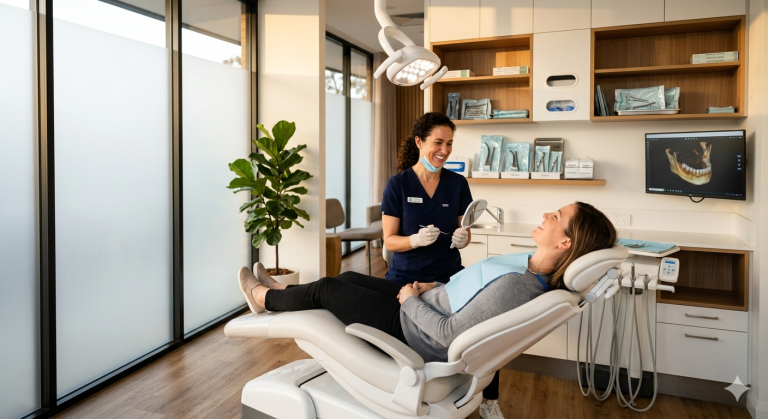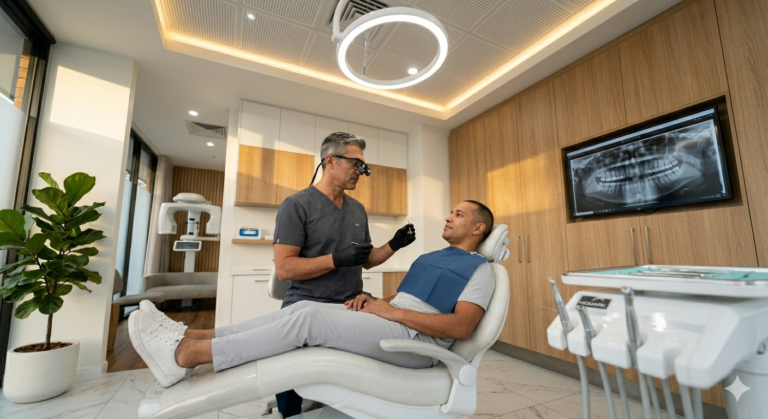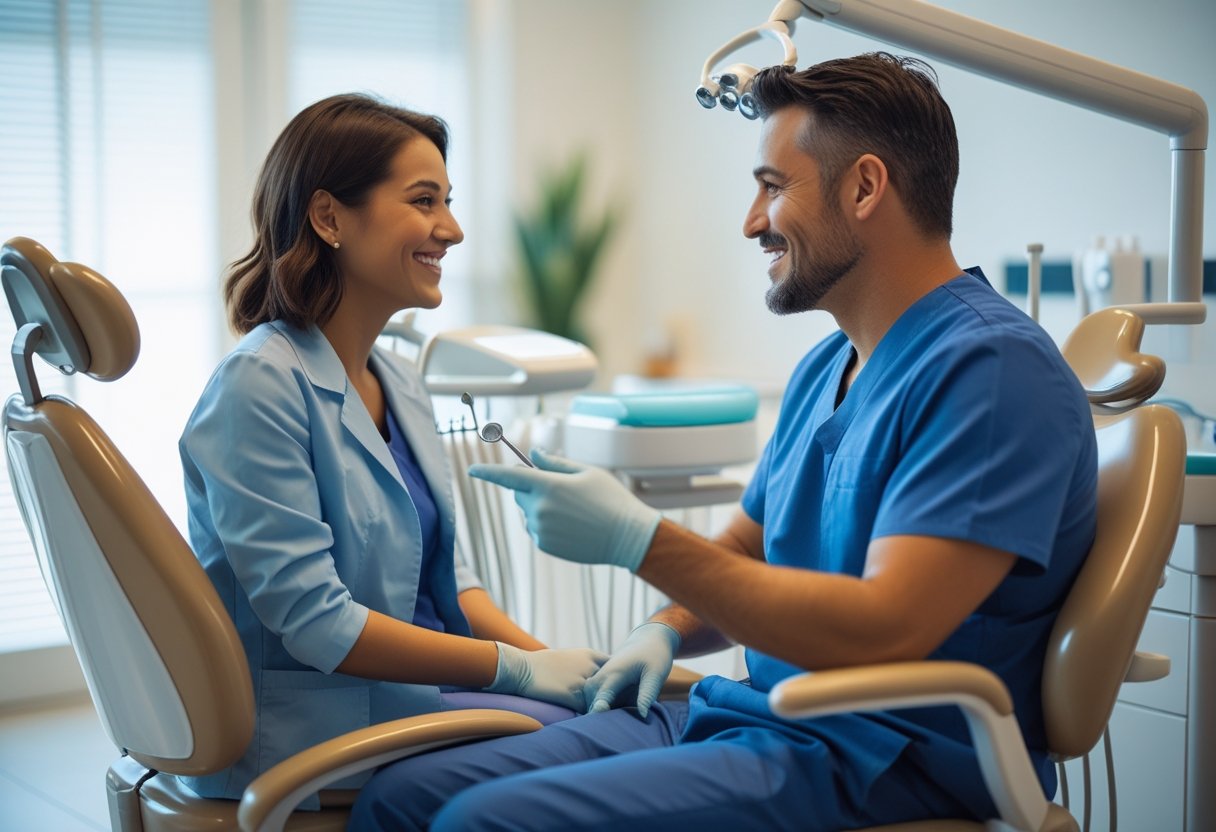
You can find affordable dental checkups in Lancaster, CA without sacrificing comfort or quality. Local clinics, sliding-scale services, and flexible payment options make routine cleanings and exams accessible for many people.
They explain why regular checkups prevent costly problems and outline practical ways to save on care, from community clinics to insurance-friendly providers. They walk through what a typical visit looks like and offer simple preventive tips so you feel prepared and confident.
They encourage taking a small step—calling a clinic or checking online listings—to secure an affordable appointment and keep your smile healthy.
Regular checkups catch problems early, prevent pain, and help families budget for care. They also connect patients with modern, comfortable treatment options and clear guidance on daily oral care.
Routine exams let the dentist spot cavities, gum disease, and enamel wear before they become emergencies. At a typical six-month visit, the hygienist removes plaque and tartar buildup, and the dentist inspects for tiny enamel defects that X-rays can confirm. Catching a small cavity early often means a simple filling rather than a root canal or crown later.
Dentists also screen for signs of oral cancer, cracked teeth, and bite changes that can cause pain or accelerated wear. For patients in Lancaster, CA, this means fewer unexpected treatments and lower long-term costs when clinics offer affordable checkup options. Early treatment preserves natural teeth and reduces the need for more invasive, expensive procedures.
Oral inflammation from untreated gum disease links to systemic issues like poorly controlled diabetes and increased cardiovascular risk. Treating gingivitis and periodontitis reduces inflammatory markers and can improve blood sugar control in many patients with diabetes. Managing oral infections also lowers the chance that bacteria enter the bloodstream and affect other organs.
Dental checkups provide targeted counsel on habits that influence whole-body health, such as smoking cessation and dietary changes to reduce sugar intake. When a dental team coordinates with a primary care provider, patients receive cohesive care that addresses both oral conditions and related medical concerns. That coordination matters most for people with chronic conditions or those taking medications that affect saliva and oral tissues.
Families gain reassurance when children and adults maintain a regular recall schedule. For parents, early visits teach kids proper brushing and reduce dental anxiety through positive, age-appropriate experiences. A consistent dental home simplifies scheduling, tracks developmental milestones like wisdom tooth eruption, and spots orthodontic needs before they become complex.
Affordable checkups in Lancaster clinics help families plan care without sacrifice. Clear treatment estimates, flexible payment plans, and preventive services reduce surprise bills. When patients trust their dental team, they follow recommendations, arrive on time, and get timely treatment—factors that protect smiles and reduce stress for the whole household.
Costs vary by procedure, clinic, insurance, and patient needs. Knowing what drives prices and why preventive care usually saves money helps patients make informed choices.
Location affects fees: Lancaster clinics with higher rent and operating costs often charge more than practices in smaller nearby towns. Provider experience and credentials matter; specialists such as endodontists or oral surgeons typically charge higher fees than general dentists. Procedure complexity and materials drive price differences — for example, a composite filling costs less than a ceramic crown, and same-day crown technology increases lab or equipment charges.
Insurance coverage and network status change out‑of‑pocket amounts. Plans often cover preventive visits fully but apply co-pays or percentage coverage to restorative work. Patient-specific needs — extensive decay, gum disease, or TMJ issues — require longer chair time, advanced imaging (panoramic X-rays or CBCT), or referrals, which increase total cost. Ask clinics for itemized estimates and financing options to compare true prices.
Routine exams, cleanings, and digital X-rays detect issues early when treatment is simpler and cheaper. A twice‑annual cleaning and exam can prevent costly procedures like root canals or crowns by catching cavities and gum disease in their initial stages. Preventive care also reduces long‑term risk: periodontal maintenance lowers the chance of tooth loss and the need for implants.
Preventive visits offer diagnostic tools — oral cancer screening, bite evaluation, and fluoride varnish — that protect overall oral health. Many Lancaster practices offer bundled preventive packages or sliding‑scale fees for low‑income patients, which further reduce lifetime dental spending. Patients should verify what their plan covers and schedule regular visits to maximize savings and comfort.
Community dental clinics in Lancaster offer low-cost exams, sliding-fee scales, and school-based programs that help families and adults access care. Many clinics accept Medi-Cal, Denti-Cal, and payment plans, and they provide preventive services, basic restorative care, and referrals to specialists when needed.
Pomona Valley Community Health Center — Lancaster site and Antelope Valley Dental Clinic both run community-focused programs with sliding-fee scales based on income. Patients can schedule routine exams, cleanings, fluoride treatments, and basic fillings at reduced rates; documentation requirements typically include proof of income and a photo ID.
Grace Resource Center partners with volunteer dentists for limited low-cost clinics on set days. Appointments fill quickly, so early phone calls or online sign-ups are important. Several private practices in Lancaster also offer discounted new-patient exams or membership plans that cap annual costs for preventive care.
List of common services and payment options:
Clinics in Lancaster follow standard infection-control protocols: single-use items where appropriate, sterilized instruments, and staff vaccination policies. Patients should ask about specific measures such as N95 use during aerosol procedures and HEPA filtration in operatories if they have concerns about airborne pathogens.
Comfort features often include private operatories, local anesthetic options, and sedation for anxious patients when clinically indicated. Staff commonly explain each step of treatment in plain language and provide written aftercare instructions. Patients are encouraged to request advance cost estimates and a clear treatment timeline to avoid surprises.
Patients can expect a friendly, efficient check-in, a focused oral exam, and clear recommendations for treatment or prevention. Staff will review medical history, answer insurance or payment questions, and outline follow-up steps before the visit ends.
Upon arrival, the receptionist confirms personal details and asks about dental history, current medications, and any pain or cosmetic concerns. New patients usually complete a short health form and insurance verification; those who prefer can upload documents online beforehand.
A dental assistant measures blood pressure if needed and takes focused photos or X-rays based on age and symptoms. The dentist then performs a brief chairside interview — they ask about sensitivity, changes in bite, or recent dental work — to prioritize areas for examination.
Staff explain estimated costs, available low-cost options, and payment plans when applicable. They also review appointment length, what to expect during cleaning or procedures, and how to reach the office with follow-up questions.
The checkup begins with a periodontal assessment: probing depths, checking gum recession, and noting bleeding on probing. This identifies gum disease early and guides whether a routine cleaning or deeper scaling is necessary.
Next comes a professional cleaning: removal of plaque and tartar with ultrasonic and hand scalers, followed by polishing and flossing. Fluoride treatment may follow for patients at higher risk of cavities; the dentist explains benefits and next steps.
The dentist inspects teeth for decay, cracks, and existing fillings, and reviews X-rays for hidden problems like root issues or bone loss. They conclude with clear, written recommendations — preventive tips, scheduling for hygienist visits, and any restorative treatment needed — and invite questions about cost, timing, and comfort options.
Patients can save with insurance, dental discount plans, or flexible payment arrangements. Clear comparisons and realistic timelines help choose the best route for routine care or larger procedures.
Many Lancaster practices accept major carriers like Delta Dental, MetLife, and Anthem. Patients should call their insurer to confirm in-network status; in-network visits usually reduce copays and out-of-pocket maximums. For preventive visits, typical coverage covers 80–100% of cleanings and exams when in-network.
Dental discount plans act like memberships: for an annual fee ($80–$200), members receive set discounts (10–60%) on services including fillings, crowns, and extractions. These plans waive waiting periods for most basic care, making them useful for immediate savings. Verify participating dentists, covered procedures, and any exclusions before enrolling.
Patients without insurance should request a cost estimate and ask clinics about bundled pricing for exams + x-rays + cleaning. Comparing a few local offices in Lancaster often shows meaningful differences in lab fees and material choices for restorations.
Many Lancaster offices offer payment plans to spread costs over months. Typical options include 3–12 month interest-free plans for balances under $1,500, or low-interest plans for larger treatments. Practices often use third-party financing companies (for example, CareCredit or Proceed Finance); patients should review APR, deferred interest terms, and minimum monthly payments.
Clinics commonly allow splitting payments across credit cards, checks, and digital payments. For treatments like crowns or implants, a deposit (20–50%) is frequently required to schedule lab work, with the remainder due at delivery. Patients should ask for written payment agreements that list total cost, payment dates, and any late fees.
Some offices provide sliding-scale fees based on household income for basic care. To access these, bring proof of income and ask the front desk about eligibility and documentation requirements.
Maintaining a healthy smile depends on consistent daily care and smart food choices that protect enamel and gums. Small, specific habits—brushing technique, floss timing, and food swaps—deliver big benefits and reduce the need for costly treatments.
They should brush twice daily for two minutes using a soft-bristled brush and fluoride toothpaste. Hold the brush at a 45-degree angle to the gum line and use short, gentle strokes; apply more than scrubbing to avoid gum recession.
Floss once daily, ideally before bedtime, to remove plaque between teeth where brushes can’t reach. If traditional floss is difficult, recommend floss picks or a water flosser with a low-pressure setting for sensitive gums.
Replace the toothbrush or head every three months or sooner after illness. Rinse with an alcohol-free fluoride mouthwash once a day to strengthen enamel and reduce bacteria. Schedule professional cleanings every six months or as advised; they remove tartar buildup and catch small problems early.
They should limit sugary snacks and drinks; sugar feeds the bacteria that cause decay. When consuming sweet items, choose them with meals rather than between meals to reduce acid attacks.
Encourage water as the primary drink, preferably fluoridated where available, to rinse food particles and maintain saliva flow. Chew sugar-free gum containing xylitol for 10–20 minutes after meals to stimulate saliva and neutralize acids.
Include calcium-rich foods like yogurt and leafy greens, and phosphorus sources such as eggs and lean meat to support enamel repair. Avoid frequent acidic beverages—citrus juices, sports drinks, and soda—and if consumed, use a straw and wait 30–60 minutes before brushing to prevent enamel erosion.
This section helps readers identify dentists who combine skill with patient-centered care. It highlights practical markers—communication, credentials, and patient experience—that signal trustworthy, affordable care in Lancaster, CA.
A compassionate dentist listens and explains treatment options in plain language. They greet patients warmly, ask about dental anxiety or past experiences, and adjust appointments or techniques to reduce discomfort.
They prioritize preventative care and spend time on hygiene instruction and simple, low-cost interventions when appropriate. Compassion also shows in office policies: clear price estimates, transparent billing, and flexible payment plans like sliding scales or in-house financing.
Look for staff who follow up after procedures and make it easy to schedule quick checkups. Reviews and patient testimonials often mention these behaviors specifically, so read for comments about bedside manner and responsiveness.
Prioritize dentists with active state licenses and affiliations such as the American Dental Association or California Dental Association. These credentials indicate adherence to current standards and ongoing education.
Confirm the practice uses modern diagnostics—digital x-rays, intraoral cameras, and sterilization logs—to improve accuracy and safety. Ask about average appointment length to ensure the dentist has time for assessment without rushing.
Evaluate communication: clear treatment plans, written estimates, and consent discussions reduce surprise costs. Finally, verify accessibility factors—office hours, wheelchair access, and proximity to public transit in Lancaster—to ensure practical, affordable access for regular checkups.
They begin by checking local clinics and community health centers that offer low-cost or sliding-scale dental exams. Many practices in Lancaster, CA, list fees online or provide price estimates by phone, which helps people compare options quickly.
Patients should verify insurance and payment plans before booking an appointment. Calling the office to ask about accepted plans, in-house financing, and any available discounts prevents surprises at checkout.
A simple checklist helps prepare for the visit: bring ID, insurance information, and a list of current medications. They should also note recent dental concerns to prioritize during the exam and make the appointment time more efficient.
Some clinics host free or reduced-cost screening days; these events often require early sign-up. People can follow local clinics’ websites or social media for announcements and reserve spots before they fill up.
Preventive steps lower long-term costs: routine cleanings, fluoride treatments, and sealants reduce the need for more expensive procedures later. She can ask the dentist about personalized prevention plans and affordable home-care tips.
If cost remains a barrier, patients can ask about alternative treatment schedules that spread care over several visits. The dental team can often suggest an affordable, safe plan that balances urgency with budget.
This section answers typical cost, coverage, and care questions for affordable dental checkups in Lancaster, CA. It covers out‑of‑pocket prices, what a standard visit includes, local payment options, family‑friendly practices, Medi‑Cal acceptance, and a simple prevention rule to follow at home.
A basic exam and prophylaxis (professional cleaning) in Lancaster typically ranges from $80 to $150 without insurance, depending on the office and whether scaling for mild gum disease is needed. New‑patient specials and community clinic rates can lower that to $50–$75 for the first visit.
Additional fees for X‑rays, fluoride, or periodontal therapy may add $20–$200. Ask offices for an itemized price list or a self‑pay discount before scheduling.
A standard visit usually includes a visual exam, dental cleaning (scaling and polishing), gum pocket measurements, and oral cancer screening. Routine bitewing X‑rays are often recommended every 1–3 years for adults and more frequently for children; panoramic or full‑mouth series are taken when diagnosing broader issues.
If the dentist finds decay or other concerns, they will recommend additional X‑rays. Patients can request copies and price estimates for any extra imaging.
Many Lancaster practices offer in‑office membership plans that cover two cleanings and exams per year for a flat annual fee, plus discounts on restorative work. Several offices also partner with third‑party financing (like CareCredit) to split larger bills into monthly payments.
Always ask about interest rates, enrollment fees, and whether discounts apply to cosmetic procedures. Request written details so you can compare options clearly.
Look for practices that advertise pediatric‑trained staff, sedation options (nitrous oxide or oral conscious sedation), and a child‑focused treatment room. Read recent patient reviews mentioning patience, kid‑friendly explanations, and gentle handling.
Call and describe specific concerns—fear, sensory issues, or special medical needs—and ask how the team accommodates them. A short consultation or office tour can reveal how comfortable the environment will be.
Several community clinics and private dentists in Lancaster accept Denti‑Cal for eligible patients. Denti‑Cal typically covers preventive services like exams, cleanings, fluoride for children, and necessary X‑rays, though coverage limits can change.
Confirm acceptance and covered services before the appointment because reimbursement rules and provider participation can vary. Bring Medi‑Cal ID and any prior authorization if required.
The 2‑2‑2 rule means brush for two minutes, twice a day, and see the dentist every two years for routine X‑rays—or modify the last item to two dental visits per year if at higher risk. Brushing properly for two minutes removes plaque effectively and reduces cavities and gum inflammation.
Combine this rule with daily flossing and limiting sugary snacks to prevent small issues from becoming costly treatments. For personalized timing, a dentist can recommend an exam schedule based on individual risk.